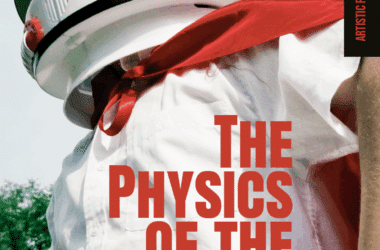

Speeds Work is a radical intervention into the modern concept of labour. Written from the lived position of an autistic artist, researcher and activist, the book documents a ten-year confrontation with state institutions and the capitalist valuation regime, revealing how creative work, care work and non-market forms of contribution are systematically devalued in contemporary societies. What begins as an autobiographical conflict expands into a structural diagnosis of a civilisation that has reduced human activity to measurable output while erasing subjective meaning, social responsibility and ecological relevance.
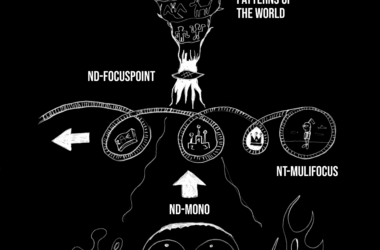
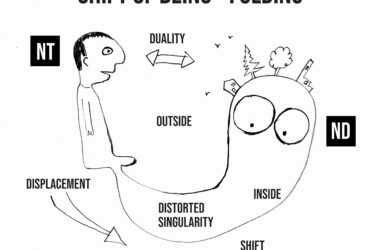
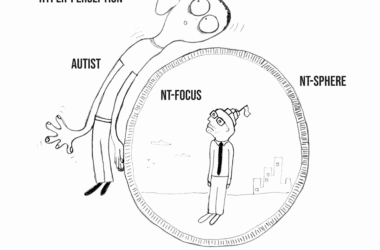
Grounded in artistic research and neurodivergent methodology, the book demonstrates how embodied perception, hypersensitive pattern recognition and monotropism enable a form of system-analysis that is inaccessible to conventional models of knowledge production. Rather than observing the system from outside, Speeds Work forces the system into interaction. The result is a unique form of “work-integrated field research”: every institutional clash becomes data, every act of marginalisation becomes evidence, and every attempt of bureaucratic suppression reveals the internal logic of the capitalist machine.
At the core of the book is a new definition of labour: work as relational action rather than economic output. Speed argues that a society which excludes care, art and self-determined intellectual work from the value system destroys the very ecosystem that makes civilisation possible. The concept of work-integrated relational agency—together with the proposal of a Universal Care Income—reframes work as the maintenance of the social and ecological web of life, not as a competition for wages.
Sociology & Labour Studies
The book pushes beyond classical research on precarisation by showing not only the effects of labour markets, but the mechanisms by which people are structurally injured, excluded and pathologised when their contribution does not match capitalist norms.
Critical Autism Studies & Disability Studies
Speeds Work provides rare primary evidence of autistic embodied cognition, neurodivergent research methodology and the double empathy problem in real institutional encounters. It positions autistic perception not as deficit, but as innovation engine and epistemological perspective.
Artistic Research
The book demonstrates artistic research not as illustration of theory but as method of discovery. Knowledge is generated through action: interventions in corporations, courts, and media become experimental setups, collapsing the false divide between art, science and activism.
Political Theory & Human Rights
Through the ten documented “acts of violence”, the book offers a forensic map of how modern democracies deploy administrative power, stigma and legal pressure to enforce economic conformity—especially against neurodivergent and creative workers.
AI & Post-Work Futures
In the age of automation, Speed shows why a labour model based on human simulation and obedience makes humans interchangeable with machines. The book formulates a post-capitalist paradigm in which autonomy, resonance and care are prerequisites for social survival.
Why this book matters now
As AI and robotics replace repetitive labour, Speeds Work identifies the blind spot of current economic thinking: the value of human difference. It argues that diversity, autonomy and embodied meaning are not obstacles to efficiency, but the only forces that keep societies adaptive and humane. If the 20th century belonged to the machine, the 21st depends on the recognition of non-standard forms of work — especially neurodivergent ones.